
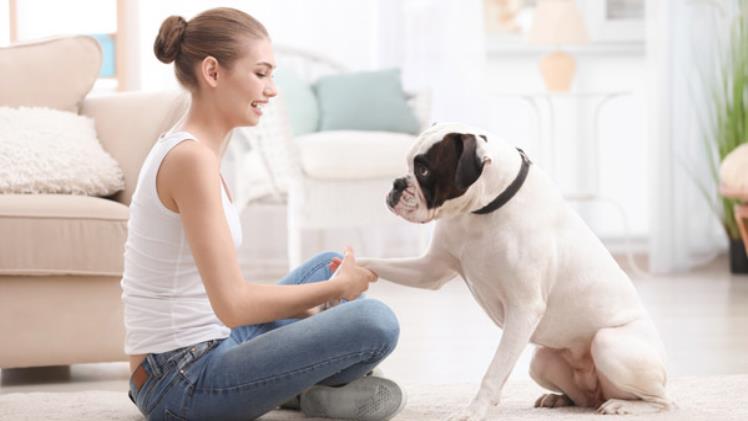
Among newcomers in the dog world, there are a few key things they will need to know as they step into the new world of doggy life. Here are ten simple tips to ensure your pup’s first days with you are as stress-free as possible.
There’s nothing like the companionship of a dog. But if you’re new to dog ownership, you may need help knowing where to start when training is time. This post can help! There are 10 essential tips for first-time dog owners on this list that will make your pup well-behaved quickly.
Start with Basic Commands
When you bring home a new puppy, it’s easy to get distracted by all the other things that need to be done. To start dog training in fayetteville nc, one of the first things you should do is get basic obedience commands down. Remember that many different obedience commands mean the same thing, so try out several as you go.
Like other dogs, walking and staying on a leash should be introduced very young and continued into adulthood.
Consistency is Key
This will be the most important command to teach your puppy. If you consistently tell your dog to do something, he will quickly learn the rules and figure out how to follow along. To get consistency, feed treats, and praise just as you would when you ask him to do something.
“Who me? Yes! I did it for you! I can eat that?” If your pup knows he’s done well, he’ll want to repeat what he did next time and better brace himself for a treat.
Consistency will help you be clear on what your dog is expected to do, and in return, your pup will learn that doing what you asked is a good thing.
Use a Crate
Use a crate to keep your new puppy safe when toonily you’re not around to supervise. A crate is a box with a door on the front end. This can be any convenient size but should be big enough that he can stand up and turn around in it. If you use a crate, use one appropriate for your dog’s age and size to help keep him safe.
Many dogs love being in a crate, and it helps them feel more secure. So if your pup is used to using a crate, keep using it as he grows. While you can’t teach good behavior while in a crate, they will learn how to relax when they stay in one, so it will be good practice when you need to leave the house.
Use Positive Reinforcement
When you use positive reinforcement, your dog will learn that doing something for you is good. Praising him for his actions is the same as giving him a treat. This technique can teach any particular behavior, including hand and eye commands, tricks, and even tricks that are only fun to do. If your dog isn’t too old and doesn’t have a lot of bad habits, getting ahead can make life easier for everyone later on.
Rewards help make your dog feel good, which can be a powerful motivator. If he knows he will receive a treat, he’ll try to do whatever behavior will make that happen. Dogs learn best when they go through something with their entire bodies, and you must use the right kind of reward for your pup. Because of their noses and mouth, most dogs are motivated by food more than anything else.
Make Training Sessions Short
While your dog may be excited about learning new things, he will want to do it all at once. This can be tiring for you and hard on your pup. Remember that you can teach him some things at a time and give him frequent breaks while training. Keeping his attention will help future training go more smoothly.
While a puppy shouldn’t learn much at once, you should still teach him a few things daily. This will make it easier for him to do what you want now and in the future.
Reward good behavior. But don’t punish him if he doesn’t comply. Generally, punishment is harder on a puppy than a reward, and using it can lead to bad feelings later on. If you try to teach your pup a new trick and he doesn’t seem to to perform it correctly, you can try again later.
Set Realistic Goals
Puppies grow rapidly, so you should give them time to learn how to behave and what commands they are expected to follow. If you set goals that are too hard to reach, your dog may give up. That’s a bad thing and can lead to more bad behavior when he realizes he won’t get the reward he wants.
Teaching your dog new things too fast can be tempting, but it will only lead to bad habits and stressful training sessions later. Keeping inRememberwant your pup to learn these things gradually will help you stick to a schedule that’s right for both of you howitstart.